
It can be scary to do your own SEO, especially when you have to deal with a lot of technical terms, expensive tools, and constant Google updates. But here's the truth: you don't have to be an expert to get good search engine results. You just need to know what's important and what to do about it.
This guide breaks it all down into steps that are easy to follow and that you can do. You'll learn how to make content that gets high rankings, brings in traffic, and builds long-term authority, whether you're running a blog, a small business site, or building a personal brand.
What Is SEO and Why It Still Matters in 2025
Search Engine Optimization (SEO) is the process of making your website better so that it shows up higher in organic (unpaid) search results. SEO has come a long way since 2025, when it was just about keywords and backlinks. It now has to do with user experience, useful content, and being an expert on the subject.
Statistics says that 53% of website traffic comes from organic search. Studies show that the first result on Google gets more than 27% of all clicks. You are missing out on money and attention if your site doesn't show up in search results.
How Google Ranks Content Today
Google uses a complex algorithm to rank pages, and it’s getting smarter every year. The 2024-2025 SEO landscape is shaped by several key changes:
1. Search Generative Experience (SGE)
Google now uses AI to generate summaries at the top of search results. That means featured snippets and “position zero” results are more competitive, and more valuable.
2. E-E-A-T: Experience, Expertise, Authoritativeness, Trustworthiness
Google prioritizes content written by people with real-life experience or authority in a topic. If your blog post is based on your personal use of a tool, or professional work in a field, that experience gives your content more weight.
3. Core Web Vitals and UX Signals
Speed, mobile-friendliness, and user interaction all impact rankings. If your site is slow or hard to navigate, Google won’t rank it highly, no matter how great your content is.
Step 1: Start with Smart Keyword Research
Keyword research is where SEO begins, and if you skip it, you’re guessing what people are searching for.
How to Find the Right Keywords:
- Use Google Autocomplete: Start typing your topic into the search bar and see what suggestions pop up.
- Leverage “People Also Ask”: These questions are gold, answer them directly in your content.
- Use Free Tools:
Focus on Long-Tail Keywords
These are longer, more specific phrases (e.g., “how to do SEO for free” vs. “SEO”). They’re easier to rank for and often bring more qualified traffic.
Step 2: Create Content That Deserves to Rank
You can’t fake quality anymore. Your content must be genuinely helpful, original, and user-focused. Google’s Helpful Content update specifically rewards “people-first” content.
Here’s how to write like an SEO pro (without sounding like a robot):
- Start with the user’s goal: Why are they searching? What problem are they trying to solve?
- Be clear, not clever: Avoid jargon. Break things down.
- Use structure to your advantage:
- Use H2s for main sections
- Use H3s for sub-points
- Use bullet points, numbered lists, and visuals to enhance readability
Pro tip: Use your real-life experience
Google’s E-E-A-T rewards content that’s clearly written by someone who’s done the thing they’re writing about. Share lessons learned, screenshots, case studies, or personal results.
Step 3: On-Page SEO That Actually Moves the Needle
On-page SEO means optimizing the parts of your content that help search engines understand and rank it.
Checklist for Every Page:
- Title Tag: Use your primary keyword at the beginning. Keep it under 60 characters.
- Meta Description: Write a compelling summary (~155 characters) that encourages clicks.
- URL: Keep it short, clean, and keyword-rich (e.g., /seo-for-beginners).
- Headers (H1, H2, H3): Use them to structure your page. Make sure they reflect keyword themes.
- Internal Links: Link to other relevant posts/pages on your site. It helps with crawlability and keeps users engaged.
- Image Alt Text: Describe images for accessibility and image SEO.
Step 4: Improve Site Speed and Mobile Experience
Google cares deeply about user experience. If your site is slow or clunky, it’s not going to rank.
How to Make Your Site Fast:
- Compress images (use WebP format)
- Use a fast, lightweight theme (especially on WordPress)
- Minimize JavaScript
- Use caching and a CDN (like Cloudflare)
- Test your site with Google PageSpeed Insights
Make It Mobile-Friendly
Over 60% of searches happen on mobile. Your site should adapt to different screen sizes, have readable fonts, and easy tap targets.
Step 5: Build Authority Without Begging for Backlinks
Links from other sites (backlinks) still matter, but quality beats quantity every time.
Easy Ways to Earn Backlinks:
- Create link-worthy content: Original research, stats, or unique tools are great.
- Guest post on relevant blogs: Provide value, not spam.
- Be active on social and forums: Share your knowledge on platforms like Reddit, LinkedIn, and Quora.
- Use HARO (Help A Reporter Out): Journalists are always looking for expert quotes.
Internal links matter too, make sure every new post links to older relevant content on your site.
Step 6: Track, Analyze, and Improve
SEO is never one-and-done. What gets measured gets improved. You should know what’s working, what’s not, and where you can double down.
Use These (Free) Tools:
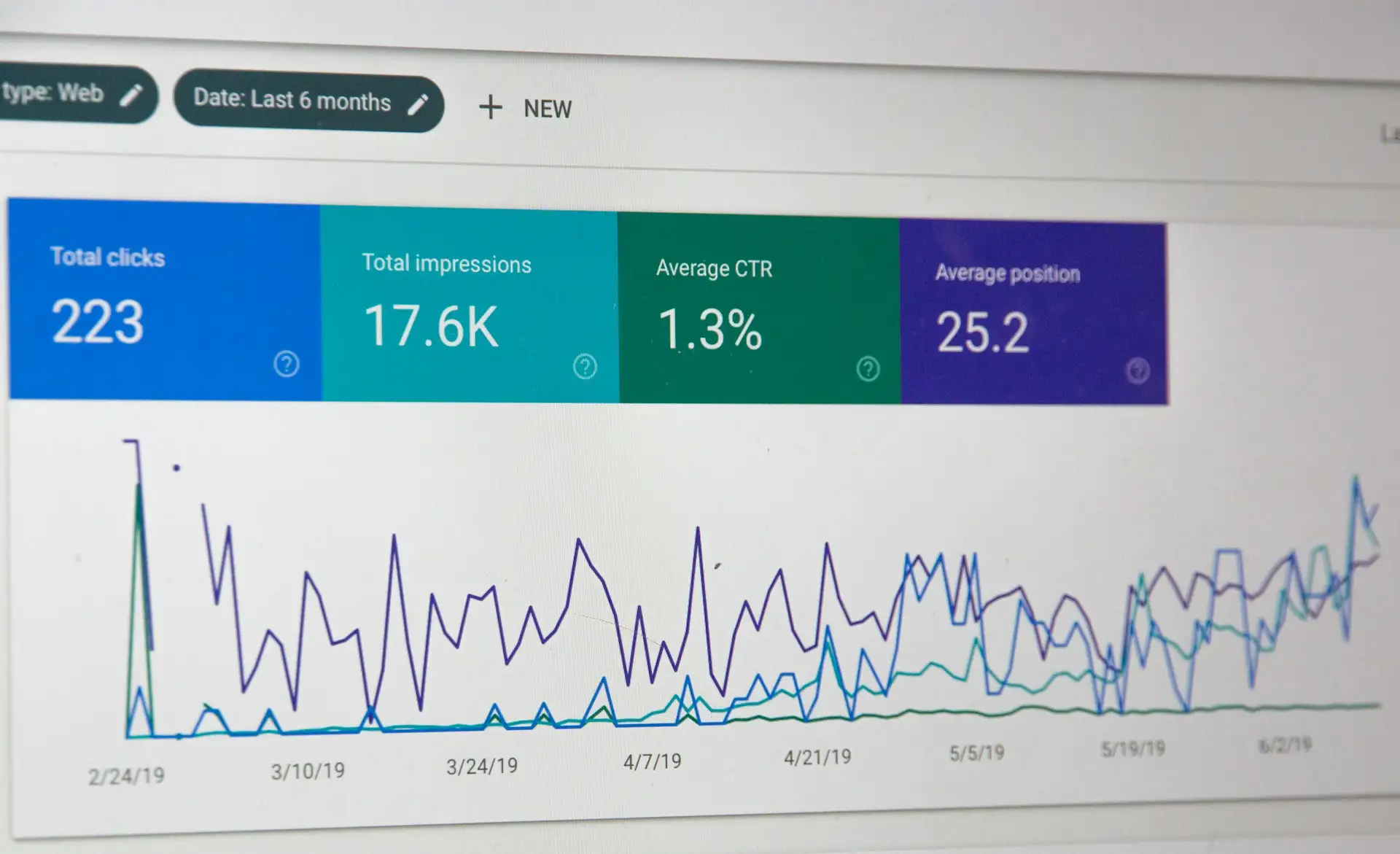
- Google Search Console: See what queries you rank for, click-through rates, and index coverage.
- Google Analytics 4 (GA4): Understand how users interact with your site.
- Bing Webmaster Tools: Don’t ignore Bing, it still drives 8–10% of search traffic in the U.S.
Check your traffic monthly. Look for which pages are gaining or losing traffic. Update underperforming posts. Optimize titles. Expand content where needed. SEO is a long game, but the payoff compounds.
Quick SEO DIY Checklist:
- Do keyword research with intent
- Write content that answers real questions
- Optimize titles, URLs, and headers
- Make sure your site is fast and mobile-friendly
- Add internal links and earn backlinks naturally
- Track results and update old content regularly
Final Thoughts: You Don’t Need to Be an Expert: Just Consistent
You don’t need a PhD in SEO. You need consistency, curiosity, and a willingness to learn and adapt. The people who win in SEO today are the ones who create real value, speak clearly to their audience, and keep refining over time.
If you follow the steps above, keyword research, great content, on-page optimization, site performance, link building, and analytics, you’ll be ahead of 90% of people out there trying to figure this out.
SEO is not dead. It’s just more human now.